
Best UK Coastal Walks for Autumn: 8 Routes for Crisp Days
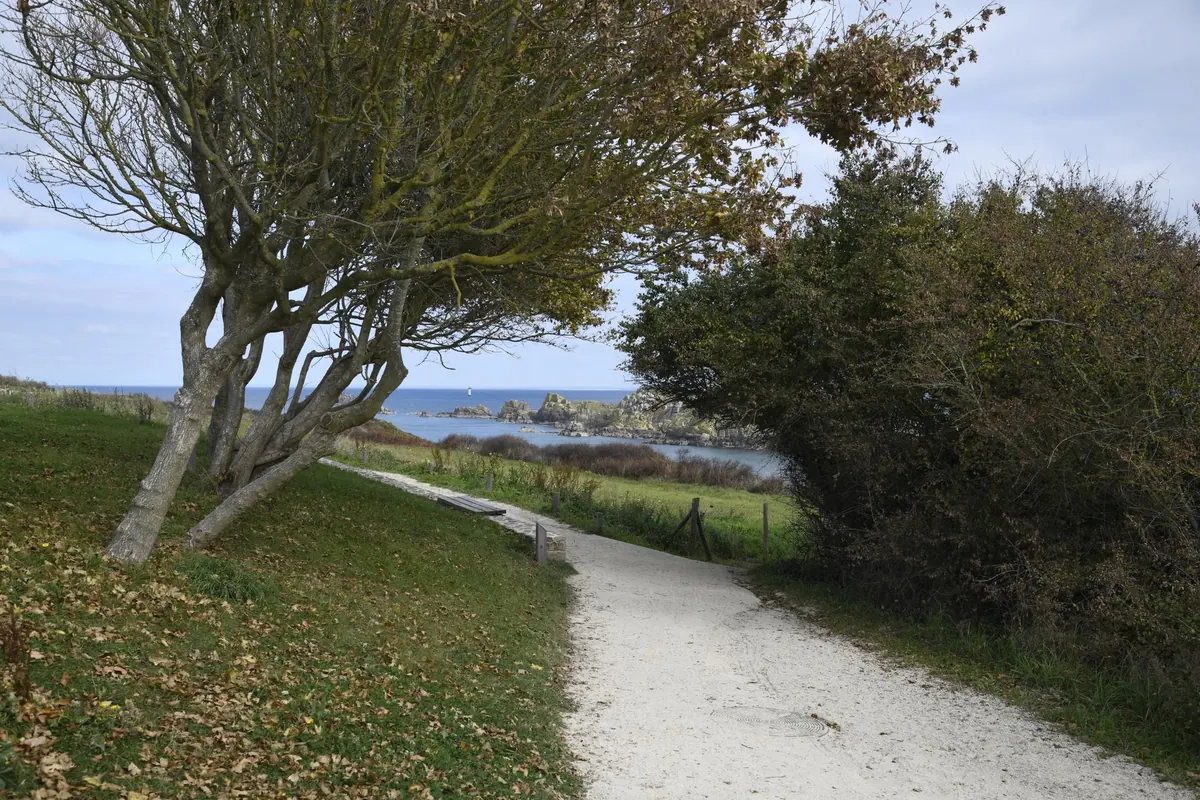
Autumn changes the British coast. The crowds thin out once the school holidays end, the light drops low and golden, and the bracken turns rust-red against a grey sea. You also get the weather you would expect: a morning that starts bright can be spitting drizzle by two o'clock, and the days are short enough that a late start costs you the best of the light. These eight walks reward a crisp, clear day — with honest notes on difficulty, what you will see, and where to eat afterwards.
Why autumn suits a coastal walk
Three things improve in September and October. The paths are quieter, so you are not queueing on a flight of steps down to a beach. Visibility is often better than in summer, when haze softens the horizon. And the wildlife shifts: grey seals haul out on rocky shores, wading birds gather on estuaries, and pink-footed geese arrive from Iceland to spend the winter on Norfolk's fields and mudflats.
The catch is that many seasonal cafés and car parks wind down after October half-term, and some ferry timetables thin out. Ring ahead if a hot drink at the end matters to you, and carry food as a backup. In Scotland, the midges usually ease off once the first cold nights arrive, though a warm, still September day can still bring them out.
Eight autumn coastal walks
1. Seven Sisters and Birling Gap, East Sussex
Difficulty: moderate, with a string of short, steep climbs.
The South Downs Way finishes on these chalk cliffs between Seaford and Eastbourne, and autumn is the best time to have them largely to yourself. The walking is relentless rather than technical — one combe after another — but each climb is repaid with the view back over the meanders at Cuckmere Haven. Steps at Birling Gap lead down to a shingle beach and a National Trust café. The full Seaford-to-Eastbourne stretch runs about 13 miles; Birling Gap to Cuckmere and back is a good half-day version. Afterwards, the Tiger Inn in East Dean is a mile inland.
2. St Abb's Head, Scottish Borders
Difficulty: moderate; four to five miles of clifftop path with stiles and steep sections.
From the fishing village of St Abb's, the path follows volcanic cliffs above deep, clear water towards the lighthouse at the head. Gannets and other seabirds pass offshore on migration, and seals haul out on the rocks below. The headland is a National Trust for Scotland reserve, with a seasonal visitor centre; dogs need to be kept under close control in places. On a bright, cold day this is one of the most dramatic short walks in southern Scotland, and the harbour is a fine place to sit and watch the weather come in.
3. Stackpole and Barafundle Bay, Pembrokeshire
Difficulty: moderate; five to six miles with steep steps and soft sandy sections.
Start at Stackpole Quay and follow the coast path east to Barafundle Bay, a sheltered crescent reached by a flight of stone steps. Loop back past Broad Haven South and the lily ponds at Bosherston, where the woods hold their colour late into the season. This is a walk of small, satisfying contrasts: limestone cliffs, dune grassland, then still water. Finish with lunch at the Stackpole Inn or tea rooms in Bosherston.
4. Rame Head and Whitsand Bay, Cornwall
Difficulty: moderate to strenuous; short distances but genuinely steep ground.
The Rame Peninsula gets overlooked in favour of the north coast, which is part of its appeal. Walk out from Rame village to the tiny chapel on Rame Head, where the view on a clear morning stretches to Dartmoor and, on the horizon, the Eddystone lighthouse. Continue along the cliffs above Whitsand Bay for as long as the light allows. The paths down to the sand are steep and loose, and wet leaves make them worse, so save them for a dry spell. Clifftop cafés above the bay and pubs in Cawsand and Kingsand handle the post-walk appetite.
5. Rhossili and Worm's Head, Gower
Difficulty: easy to the headland viewpoint; strenuous if you cross the causeway.
Rhossili's three-mile beach is at its best out of season, when the bay is empty but for dog walkers and a few hardy surfers. The walk out to the end of the headland is a proper outing: the causeway to Worm's Head is passable only for roughly two and a half hours either side of low water, and the return from the outer head takes longer than most people expect. If the tide or the wind is against you, stay on the mainland and enjoy the view from the clifftop. Rhossili has a pub and a café near the car park.
6. Craster to Dunstanburgh Castle, Northumberland
Difficulty: easy; about a mile and a half each way on a good path.
A nearly flat walk from the harbour at Craster to the ruins of Dunstanburgh Castle, which sits on its own headland with the sea on three sides. Autumn gales make the place look suitably dramatic, and the grass paths turn muddy, so boots beat trainers. Push on north to the wide sands at Embleton if you want a longer day. Back in Craster, the Jolly Fisherman serves kippers smoked a few yards away; the Ship Inn at Low Newton is a fine extension if you have the legs for it.
7. Tennyson Down and the Needles, Isle of Wight
Difficulty: moderate; about four and a half miles out and back, with one long
Photo: Thierry coulon / Pexels