
How to Visit London on a Budget: 10 Free and Cheap Attractions
London has a reputation for emptying your wallet before lunch, and it can if you let it. The good news is that a huge amount of the city's best stuff costs nothing: world-class museums, royal parks, a hilltop view that beats any paid observation deck, and markets where browsing is free. The trick is knowing where the free things are, when to turn up, and how to build a day around them so you aren't buying your way out of boredom. Here's how to do London properly on a small budget.
Ten free and cheap attractions worth your time
Most of these sit close enough together to pair two or three in a single day without much travel.
- The British Museum. Free entry to the permanent collection, including the Rosetta Stone and the Egyptian galleries. Book a free timed ticket online for weekends and school holidays; turning up without one often means a long queue.
- South Kensington's museum trio. The Natural History Museum, the Science Museum and the V&A are all free and a few minutes' walk apart. Choose two. Trying to do three properly leaves you with sore feet and no memories.
- Tate Modern. Free to enter, with the permanent collection spread over several floors. The viewing level in the Blavatnik Building looks straight down the Thames towards St Paul's. Temporary exhibitions are ticketed; everything else is open to you.
- The National Gallery, Trafalgar Square. Free access to one of the finest painting collections anywhere, from van Eyck to Van Gogh. Pop in for forty minutes rather than attempting the whole thing.
- The Sky Garden. Free, but you must reserve a slot in advance online and popular times disappear quickly. Book as soon as your travel dates are fixed, and go at sunset if you can.
- Changing of the Guard. Free to watch, though dates and times change with the season, so check before you go. Horse Guards Parade offers a smaller, calmer alternative if crowds aren't your thing.
- The Royal Parks. Hyde Park, St James's Park, Regent's Park and Kensington Gardens cost nothing to wander. Deckchairs, rowing boats and ice creams are extra, so bring a bottle of water and a book instead.
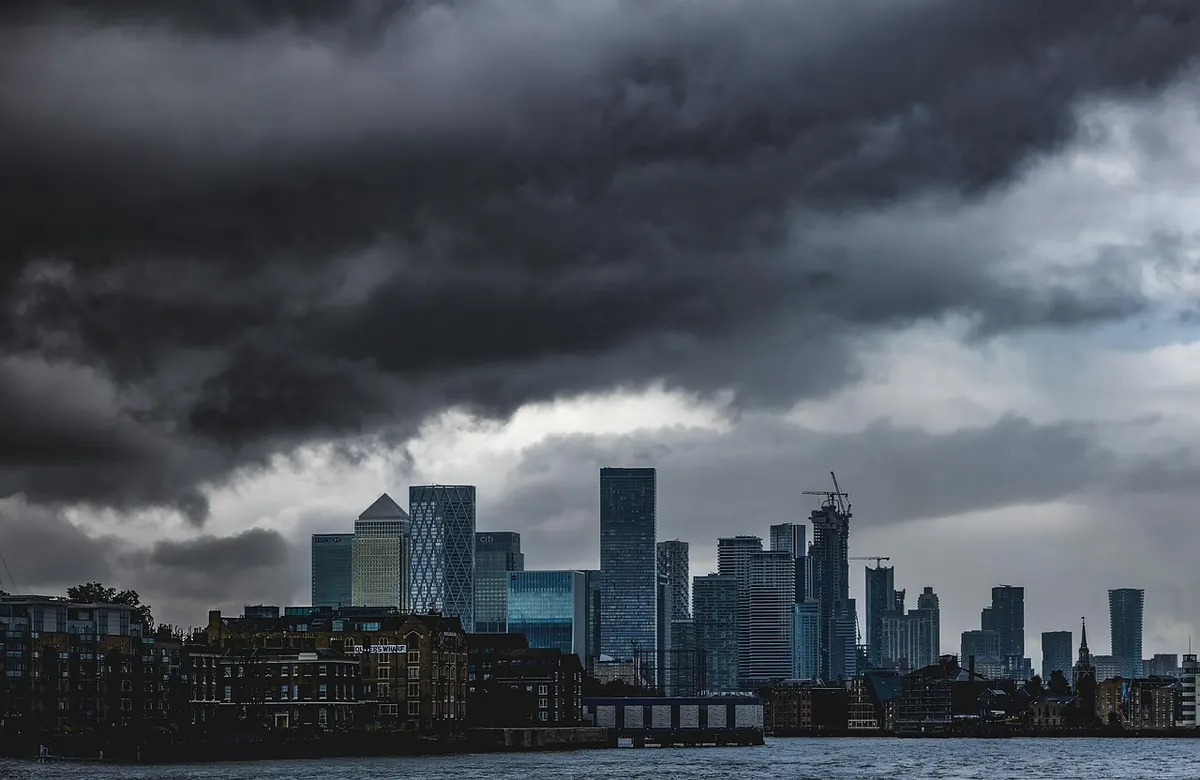
- Greenwich. The National Maritime Museum and the Queen's House are free, and the walk uphill through Greenwich Park gives you a superb view of Canary Wharf. The observatory's galleries are ticketed; the park isn't.
- Borough Market and the South Bank. Browsing the stalls is free, and weekday mornings are far calmer than Saturdays. Afterwards, walk the South Bank from Westminster Bridge to Tower Bridge — buskers, book stalls and river views throughout.
- Columbia Road Flower Market. Sundays only, free to walk through, and best before eleven when the crowds arrive. Combine it with a wander through the surrounding streets and their small independent shops.
Free entry rarely means free everything. Donation boxes are voluntary, but temporary exhibitions, audio guides and special events normally carry a charge. Check what's included before you set off.
Getting around without spending much
Central London is smaller than it looks on a map. Walking between Covent Garden, Trafalgar Square and the river often beats waiting for a train, and you'll see far more. When you do need transport, tap in and out with the same contactless card or phone: fares are capped once you reach a daily limit, so you can stop counting individual journeys.
Buses cost less than the Tube and give you a moving view of the city. Cash isn't accepted on board, so have a card or Oyster ready, and remember you can change buses within an hour without paying again. Taxis and ride-hailing apps are the quickest way to double your daily spend; save them for late nights or heavy luggage.
Eating cheaply in an expensive city
Food is where budgets quietly fall apart. A supermarket picnic in St James's Park, a stuffed flatbread from a market stall, or a pub lunch away from the main tourist strips will cost a fraction of a sit-down dinner in Leicester Square or Covent Garden. Walk ten minutes in any direction from the obvious places and prices drop noticeably.
- Breakfast from a supermarket or bakery rather than a hotel dining room.
- Lunch as your main meal — set menus and lunch deals are common, and dinner prices are higher.
- Tap water is free and safe; carry a refillable bottle and top up at stations, museums and parks.
- Market food is best just before closing, when stallholders would rather sell than pack up.
Free views, cheap culture and evenings
The Sky Garden and the Tate Modern viewing level are the best-known free viewpoints, but One New Change, next to St Paul's, has a roof terrace that few visitors know about. Primrose Hill, Parliament Hill on Hampstead Heath and the top of Greenwich Park all deliver big skyline views for nothing.
For theatre, book directly with the box office and ask about day seats, standing tickets and returns — they're released on the day and are genuinely affordable. The TKTS booth in Leicester Square sells same-day seats, and matinees are usually cheaper than evenings. Free and low-cost music is easy to find too: lunchtime concerts in city churches, free events in the Southbank Centre's foyers, and museum late openings. Check listings on the day, as schedules shift.
Tip-based walking tours are another good option. You pay what you think the tour was worth, which makes them a low-risk way to learn a neighbourhood.
A sample day that costs almost nothing
- Morning: British Museum with a pre-booked free ticket, then a coffee in Bloomsbury.
- Lunch: supermarket picnic in Russell Square or St James's Park.
- Afternoon: walk the South Bank to Tate Modern, then up to the viewing level.
- Early evening: a pre-booked Sky Garden slot for sunset.
- Evening: a cheap theatre seat, a free foyer gig, or a walk along the river to see the bridges lit up.
Before you go: habits that save real money
Book free timed tickets as soon as your dates are set, especially for the Sky Garden and the big museums. Smaller museums often close one day a week, usually Monday, so check opening hours before travelling across the city. Travel off-peak where you can, and if you're considering a sightseeing pass, add up the full-price entries you'd honestly use first — they only pay off on heavy sightseeing days.
Finally, decide what's worth paying for. A decent lunch, a theatre ticket or one paid exhibition will stick in the memory far longer than a taxi across town. Spend there, walk everywhere else, and London turns out to be far more affordable than its reputation suggests.
Photo: TheOtherKev / Pixabay