
How to Travel Carry-On Only for a Two-Week Trip: Step-by-Step
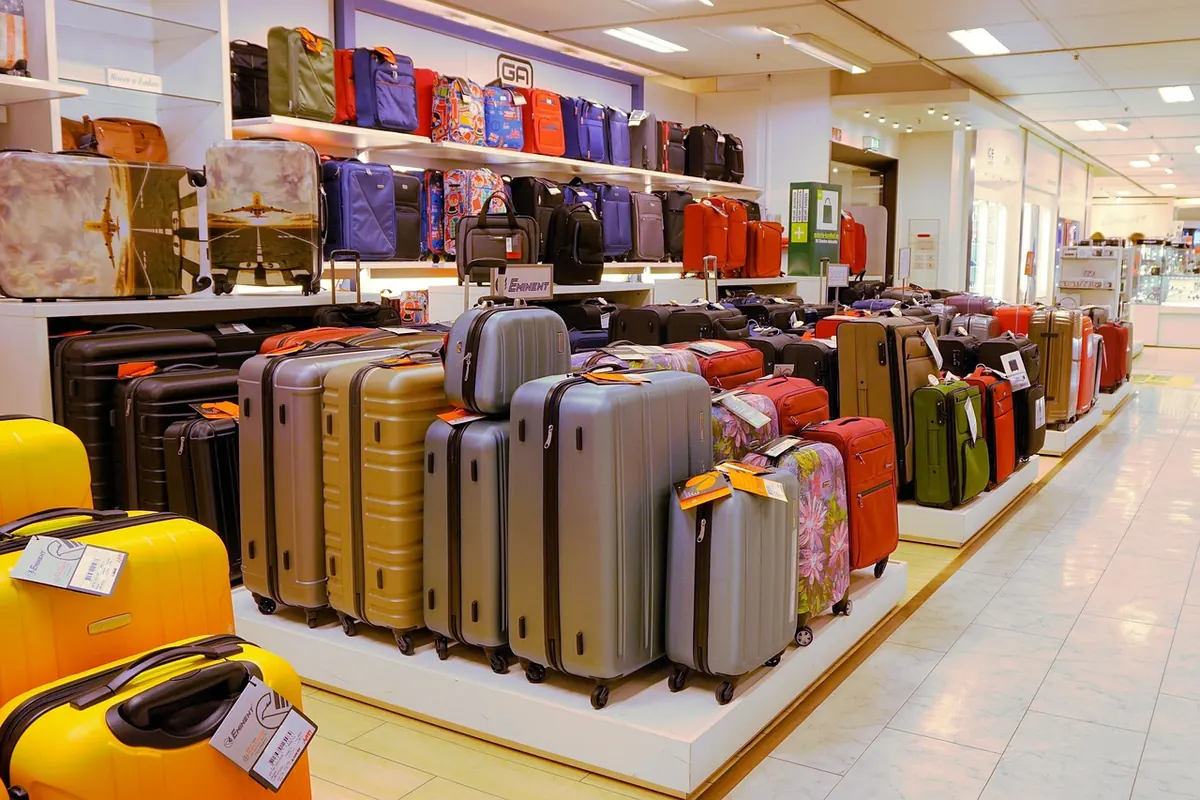
Two weeks, one bag, and no queue at the baggage carousel. It sounds like a bet you would lose, but the arithmetic is friendlier than most people expect — we tend to wear a fraction of what we pack. The real shift is not cramming harder. It is deciding to wash clothes while you are away. Once that is settled, carry-on only stops feeling like a sacrifice and becomes the obvious way to travel.
Choose the bag before you pack a single thing
Start with the airline, not the bag. Cabin allowances vary enormously between carriers and even between fare types on the same route, so check the exact dimensions and weight limit attached to your ticket before you buy anything. A soft-sided bag with compression straps generally beats a rigid one: it squashes into an overhead locker, a train rack or the boot of a small hire car.
Four-wheeled spinners are effortless on airport floors but eat a little internal space. Two-wheeled bags with a rucksack harness handle cobbles, stairs and budget guesthouses far better. If your fare includes an underseat item, use it: a flat shoulder bag or laptop sleeve is where documents, medication and charging cables should live.
Then weigh the bag, packed, at home, on a luggage scale. Check-in scales are unforgiving, and an overweight cabin bag tends to get gate-checked at the worst possible moment.
Build a wardrobe for five days, not fourteen
Plan for five days and repeat. Laundry is what makes a fortnight possible, so treat washing as part of the itinerary rather than an emergency.
Stick to two or three colours that all work together — navy, grey, white, olive — and you will get more outfits from fewer pieces. Choose fabrics that dry overnight: merino wool, technical synthetics, lightweight cotton blends. Heavy cotton, thick denim and chunky knits take a day or more to dry and swallow half your bag.
A workable list for a temperate two-week trip:
- Five or six tops, including one long-sleeved
- Two pairs of trousers, or one pair plus a skirt or shorts depending on climate
- One mid-layer: a light jumper, fleece or cardigan
- One weatherproof outer layer that folds small
- Underwear and socks for five to seven days
- Sleepwear that doubles as a spare outfit — a T-shirt and leggings work
- Swimwear, if there is any chance of a pool, beach or hot spring
- One smarter item for dinners or unexpected invitations
Now remove one top and one bottom. You almost certainly will not miss them.
Shoes, toiletries and the small stuff
Two pairs of shoes is the ceiling: one on your feet, one packed. Wear the bulkier pair on travel days — boots on a plane are not a style statement, they are luggage. Stuff socks or charging cables inside the packed pair so no space goes to waste.
Decant toiletries into small bottles, and check the liquid rules for your airport and route, as they differ. Solid shampoo bars, soap and stick deodorant sidestep the whole business. Buy sunscreen, insect repellent and anything bulky at your destination — it is cheaper than paying for the weight.
Keep prescription medication in your hand luggage, in its original packaging, with a copy of the prescription. If you take anything regularly, speak to your pharmacist or doctor before you travel about supply and documentation, as the rules vary by country.
Pack it in this order
- Lay everything out on the bed and put a third of it back in the wardrobe. This is the hardest step and the most effective.
- Group by category into packing cubes or stuff sacks: tops, bottoms, underwear, cables.
- Place heavy items in the middle, close to the back panel or spine, so the bag stays balanced.
- Roll soft items; fold anything structured, such as a blazer, around the edges.
- Add shoes last, soles facing outwards.
- Keep liquids in a clear sealable bag in an outer pocket or in your underseat bag.
- Leave the top pocket for what you actually want mid-journey: jumper, headphones, snacks, eye mask.
Do not fill the bag to bursting. You need room for the layer you shed and the small things you will inevitably pick up along the way.
Do laundry every four or five days
This is the habit that holds the whole approach together. Wash on your first evening somewhere, not your last, so things have time to dry properly.
The sink-wash routine
Take a universal sink plug and a few detergent sheets or a small bottle of travel wash. Fill the sink with cool water, add detergent, submerge everything and knead it for a minute or two. Rinse until the water runs clear, then squeeze — never wring — each item. Roll it in a towel and press down, or stand on the towel, to lift out most of the water. Hang it where air moves: a balcony, a window, a heated rail. Merino and synthetics dry in a few hours; cotton takes overnight.
When to use a laundrette
Around day eight, a proper machine wash resets everything. Book accommodation with guest laundry in the middle of your trip, or find a laundrette nearby and combine it with a long lunch. A service wash costs more but gives you back an afternoon.
The night before you fly
Test-pack a week in advance, walk around the block with the bag on, then repack it properly. Weigh it one last time and photograph the contents in case anything goes missing.
On the final evening, charge everything, download offline maps and boarding passes, and put the bag by the door. Move medication, valuables and anything you cannot replace into your underseat bag — a bag in an overhead locker is still out of your hands. Everything else, you can buy on arrival.
Photo: webandi / Pixabay