
Common Mistakes to Avoid When Visiting the Scottish Highlands
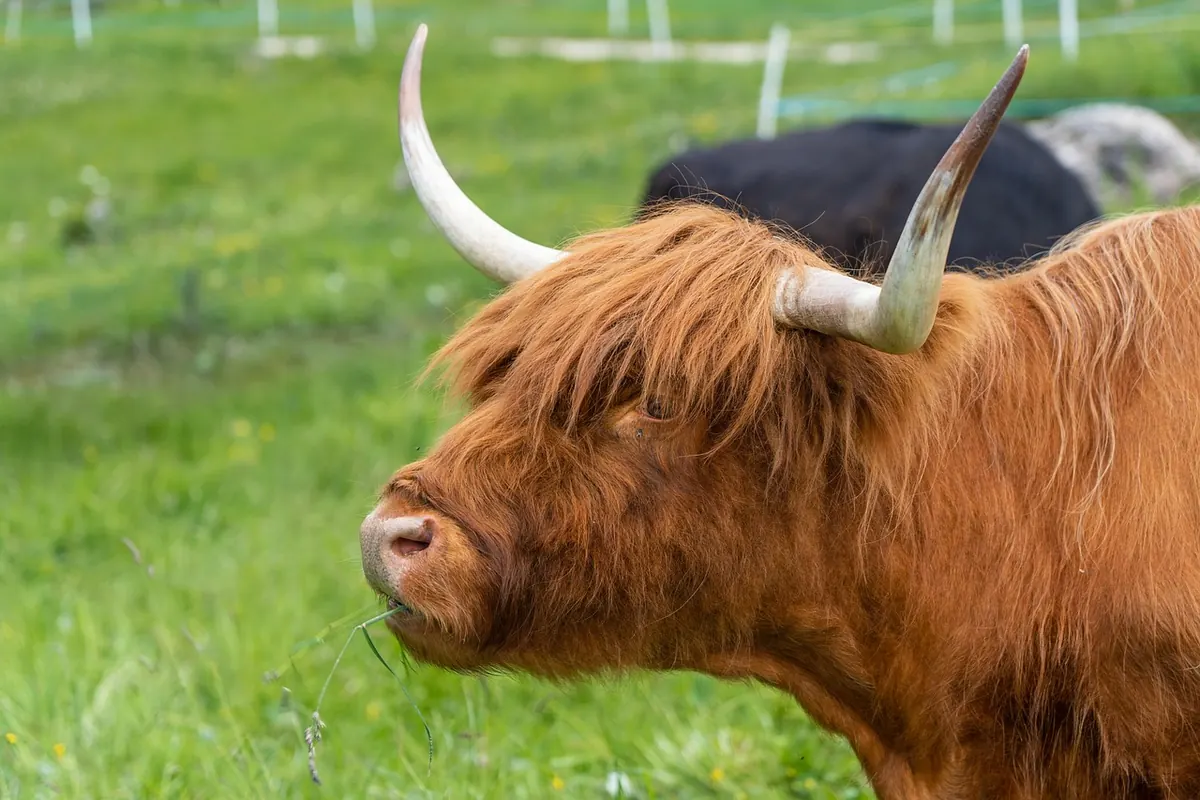
Ask anyone who has driven the west coast in July and they will tell you the same thing: the Highlands reward a bit of planning more than almost anywhere else in Britain. You can have an extraordinary week here — empty glens, sea eagles over a loch, a pub with a fire and six other people in it. You can also spend four days soaked through, reversing up a single-track road with midges in your ears. The difference is rarely luck. It is usually a handful of assumptions visitors bring with them from elsewhere, most of which the Highlands will quietly disprove.
Expecting the Weather to Play Fair
A forecast of "light rain" in Fort William can mean drizzle in the glen and horizontal sleet on the ridge above it. Highland weather changes fast, often several times in an afternoon, and the temperature drops sharply as you gain height. Wind decides a great deal: whether ferries sail, whether the summit is worth the climb, whether you eat outside or retreat indoors.
Pack for the worst hour rather than the average one. A waterproof jacket with a hood you can actually tighten, waterproof trousers, grippy boots, a warm mid-layer, and hat and gloves even in July if you're going up anything. Denim and trainers are a miserable combination on a wet hill path. Before a serious walk, check a hill forecast rather than a town one, and keep a wet-weather alternative in reserve — a distillery, a museum, a long lunch, or a drive to the other coast, which may be perfectly dry.
Underestimating the Midges
Midges are small biting flies, and in the Highlands they are a fact of summer. They are worst from late May into September, in still, damp, overcast weather, around dawn and dusk, and near water, bog and woodland. The west coast and the islands generally have more of them than the east. A breeze, strong sun or a cold snap keeps them down, which is why a hillside can be blissfully clear while the campsite below is unbearable.
What actually helps
- Repellent you will actually use. Products containing DEET or picaridin are the usual choices; apply to exposed skin and reapply as the label advises. If you are pregnant, applying it to children, or have sensitive skin, ask a pharmacist what suits you.
- A head net. Cheap, light, and the most effective thing going for sitting still at dusk.
- Cover up. Long sleeves, trousers tucked into socks, a hood. Some people find light colours bother them less than dark ones.
- Time your outings. Walk in the middle of the day on a breezy one, and save the evening barbecue for a windy spot.
Ticks are the other small hazard. They live in long grass and bracken and can carry infection, so check yourself, children and dogs after a walk. Remove one with fine tweezers or a tick tool, pulling steadily without twisting, and speak to a doctor if a rash appears or you feel unwell afterwards.
Driving Single-Track Roads Like Normal Roads
Much of the west coast and the islands is served by single-track roads: one lane, with passing places marked by black-and-white posts. They are not difficult, but they have their own etiquette, and getting it wrong is how visitors end up in a ditch or in a stand-off with a timber lorry.
- Pass on the left. If a passing place is on your left, pull into it. If it is on your right, stop opposite it and let the other driver cross.
- Give way to vehicles coming uphill and, where it is safer, to larger vehicles and motorhomes.
- Keep passing places clear. They are for passing and turning, not for parking while you visit a beach.
- Let faster traffic past. If someone is close behind and you are enjoying the view, pull in and wave them on.
- A wave of thanks costs nothing and is expected.
Drive to what you can see. A blind summit can hide a cyclist, a walker, a sheep or a tractor, and there are cattle grids, potholes and patched surfaces to watch for. Never stop in the middle of the road for a photograph. Deer move at dawn and dusk and are hard to spot, so slow right down if you see one — there is often another behind it.
Leaving Bookings and Fuel to Chance
Between Easter and October, and especially in the school holidays, the popular parts of the Highlands fill up. Accommodation in small villages is limited, car parks at well-known walks can be full by mid-morning, and a village with one pub needs its tables booked. Distillery tours sell out days ahead. If your trip depends on a ferry, book as soon as your dates are fixed; island routes in summer can be full, and turning up and hoping is a gamble.
Fuel needs the same mindset. Petrol stations are sparse in the far north and on the islands, opening hours can be short, and some close on Sundays. Fill up when you pass a station rather than when the gauge says you must. Several rural pumps are card-only and sit in places with no mobile signal, so carry a card that does not need your phone, plus a little cash for honesty boxes and cafés. Where you can, book flexible rates and read the cancellation terms: weather and ferry disruption do change plans.
Planning Distances as If They Were Motorway Miles
Sixty miles on the A9 and sixty miles on a west coast single-track road are not the same journey. On minor Highland roads, 30 mph is a realistic average once you account for bends, passing places, livestock and photo stops, and a ferry can swallow half a day without covering much ground. A plan that has you driving five hours and then climbing a hill is a plan for a bad mood.
Instead, pick two or three bases for a week and explore outwards from each, keeping a day spare for the weather or for a stretch of road you did not expect to love. In winter, remember that it gets dark early, and much of the best scenery sits on roads you would rather drive in daylight.
A Short List Before You Go
- Layers, waterproofs, boots, a head net and repellent in the bag from May onwards.
- Accommodation, ferries and tours booked early, with flexible terms where possible.
- Fuel whenever you pass a station, a payment card that does not rely on signal, and a little cash.
- A paper map, a charged power bank, and someone at home who knows your route.
Above all, treat the place and the people who live there well. Park considerately, take litter home, close gates, keep dogs under control around livestock, and use the toilet before you leave the village. If you are heading into the hills — solo, in winter, or on unfamiliar ground — the right kit, an honest view of your own experience and a proper mountain forecast matter far more than enthusiasm. When in doubt, hire a guide or ask in a local outdoor shop; they would much rather answer a question than hear about a rescue. And if you have a medical condition, take regular medication, or are spending serious money on the trip, get proper advice from a pharmacist, GP or insurer before you set off.
Photo: ChiemSeherin / Pixabay